
The 4 Dog Leashes I Actually Use — and When I Use Them
Table of Contents
My Four Go-To Leashes
Choosing a dog leash seems simple until you’re staring at a wall of nylon, leather, rope and rubber in a kaleidoscope of colors and crazy buckle styles and attachments. Where do you even start to narrow down the choices?! Most dog owners end up with a drawer full of leashes that don't quite work like they were hoping, or they join the tie-down strap bucket in the garage. In this guide, we’ve narrowed it down to the only four leashes you’ll ever actually need for safety, durability, and control.
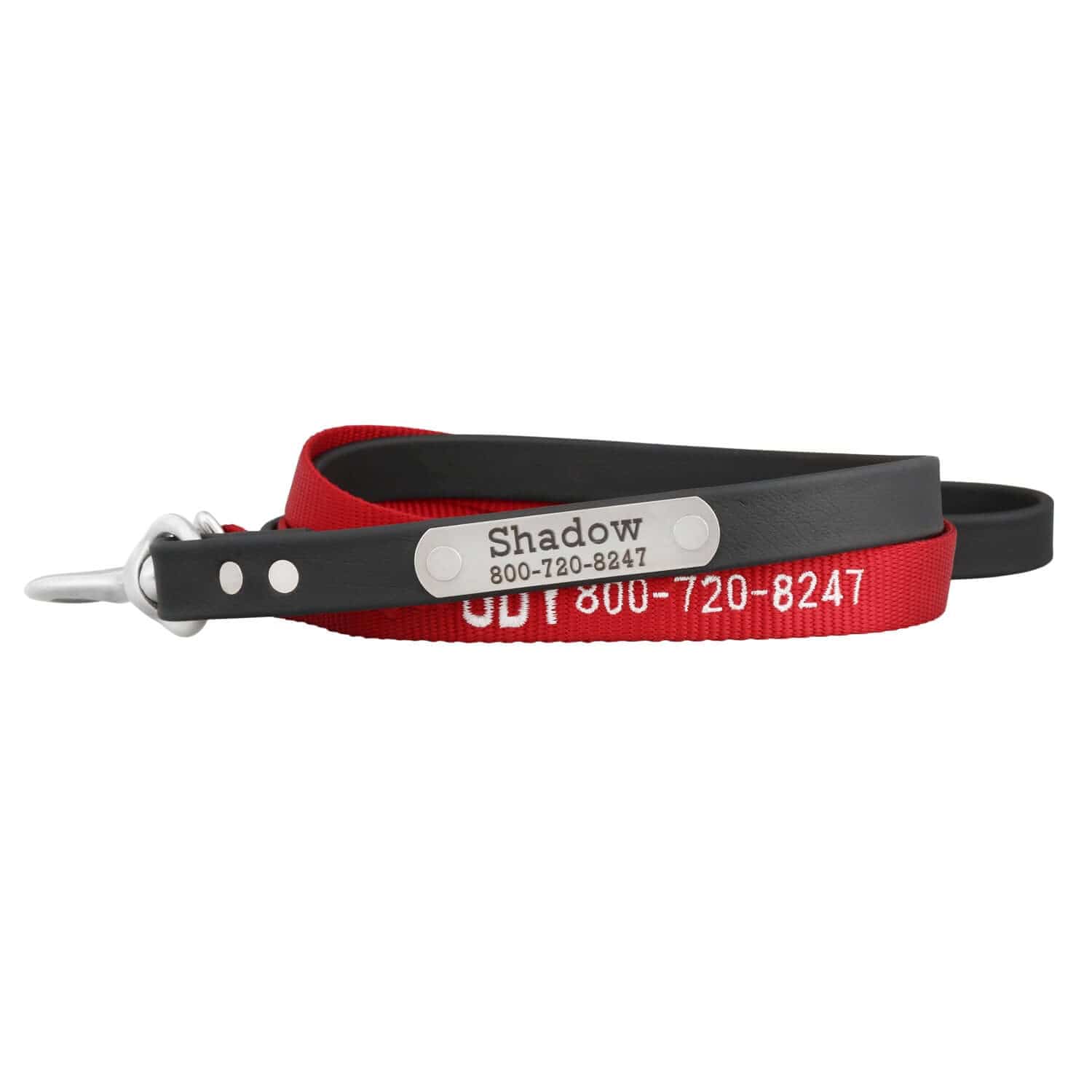
1. The Standard 6-Foot Walking Leash (The Daily Driver)
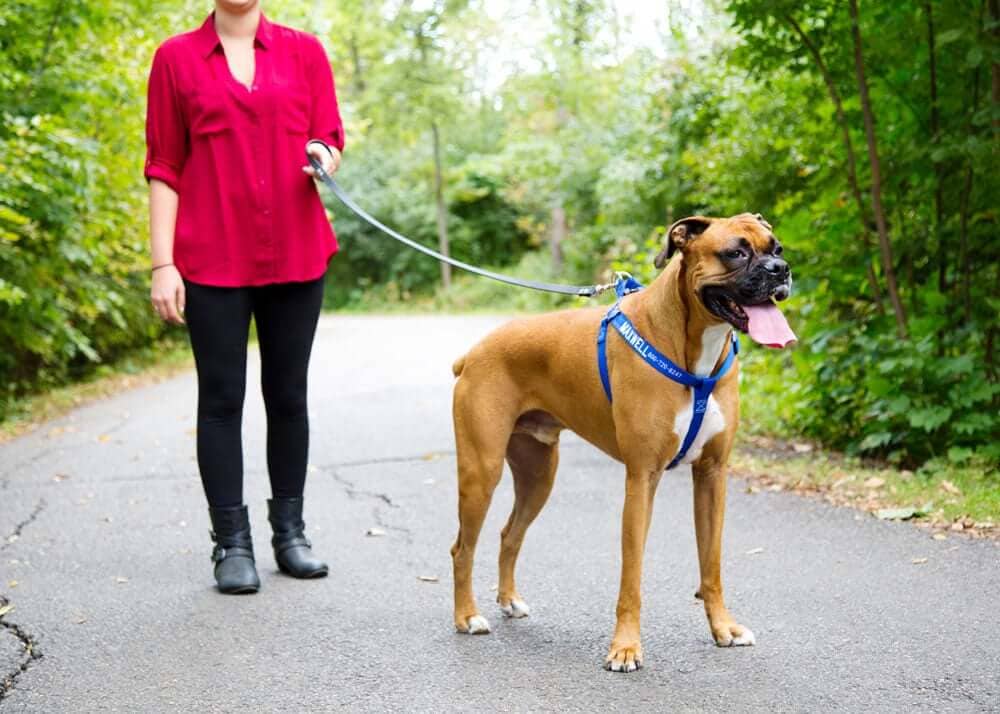
The industry standard is a 6-foot fixed-length dog leash. It provides the perfect balance of freedom for your dog to sniff and control for the owner in suburban or urban environments.
- Best For: Daily neighborhood walks, vet visits, and casual outings.
- Pro Tip: Look for a waterproof BioThane leash. Unlike nylon, it won’t absorb odors, and it stays flexible in freezing temperatures.
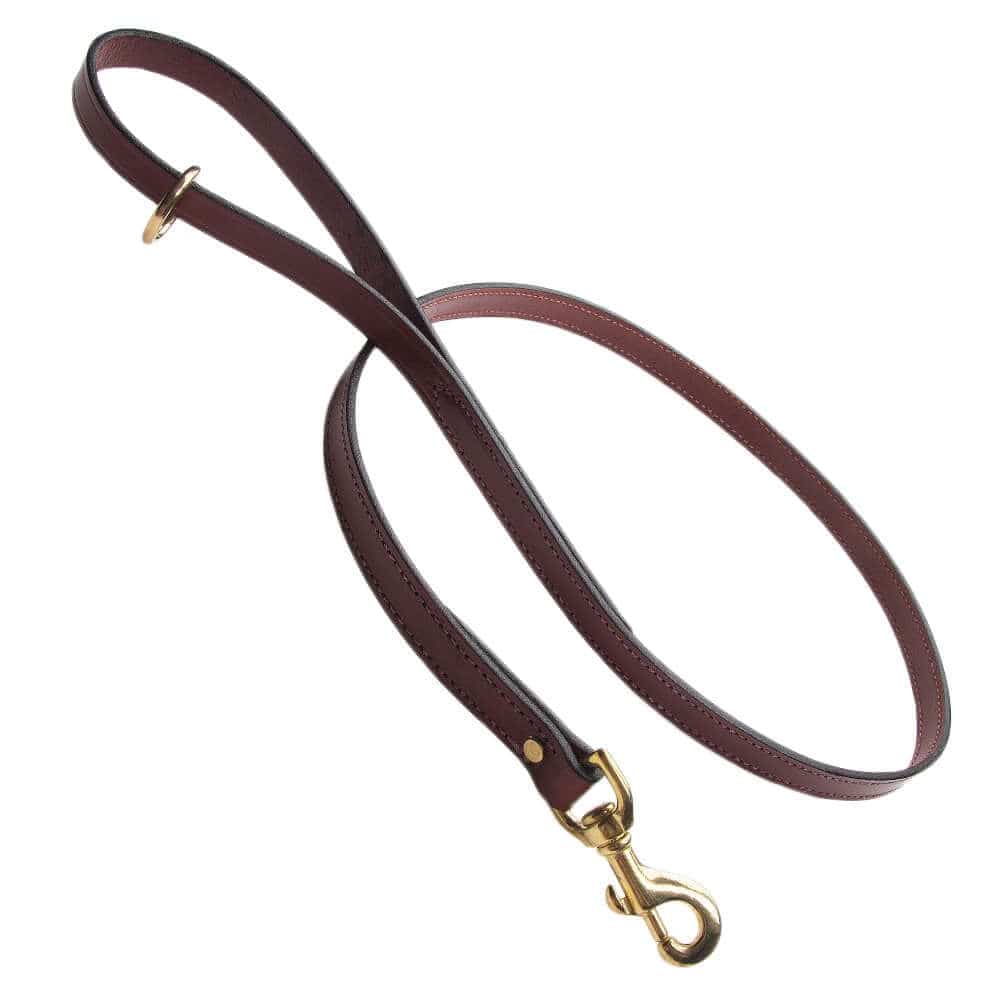
2. The Training Lead (For Manners and Control)
Use a 1 to 4-foot training lead when you need maximum control in high-traffic areas, like farmers' markets, or when training your dog to "heel." It's never fun constantly reeling in and coiling up extra leash strap while trying to focus on controlling your dog.
The other big benefit of a shorter lead is that it prevents your dog from gaining "running momentum" before they hit the end of the leash, protecting your shoulders and their neck from sudden jolts.
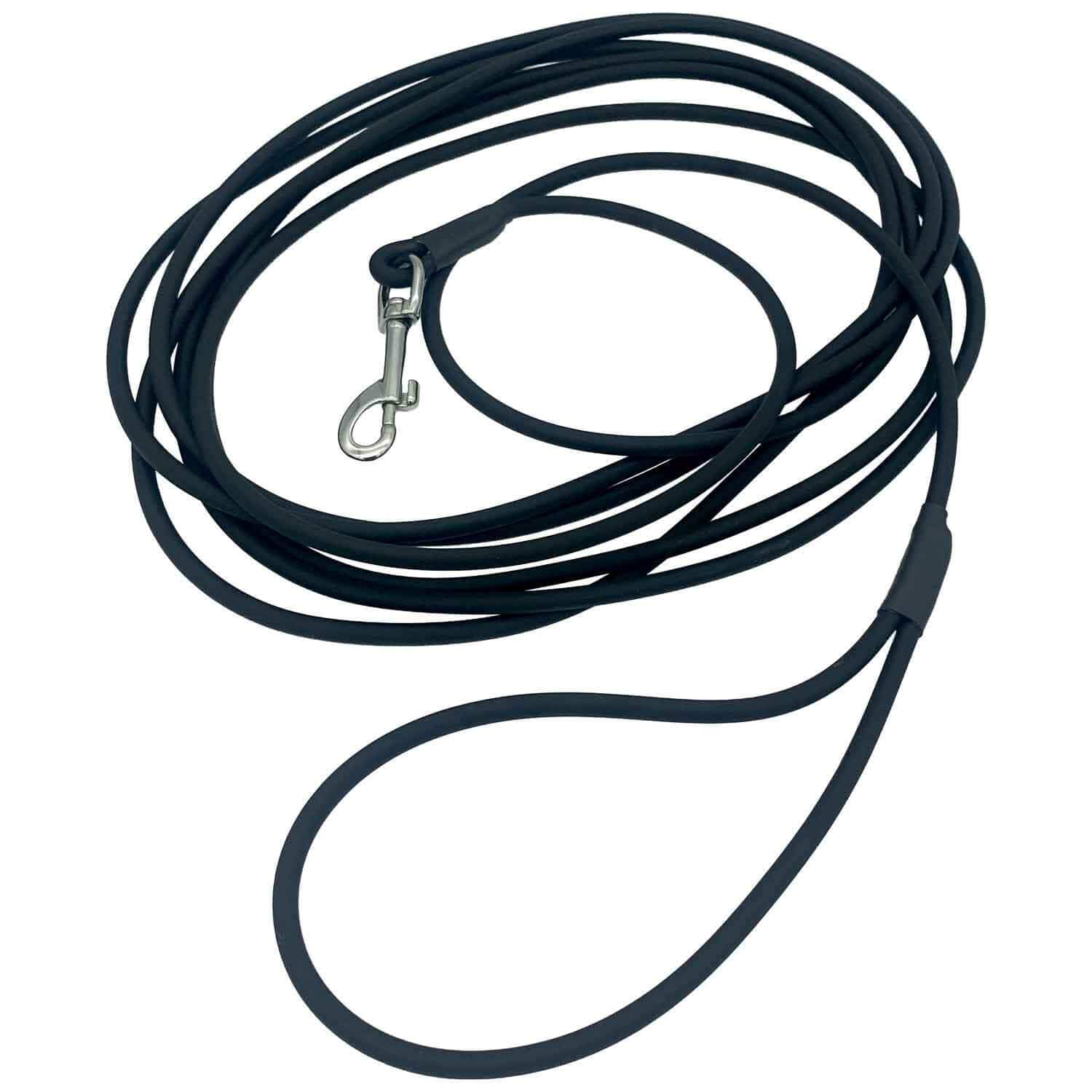
3. The Long Line (For Freedom and Recall Training)
A 15 to 50-foot long line, also referred to as a check cord in the sporting dog world, is the safest way to give your dog off-leash freedom while maintaining a physical connection. Retractable leashes are prone to mechanical failure and offer zero leverage if a dog bolts. They also use thin nylon cording that can get wrapped around legs, fingers, etc. and cause severe rope burn or cuts if used with a heavy strong dog.
- Best For: Hiking, open-field play, and practicing recall (coming when called).
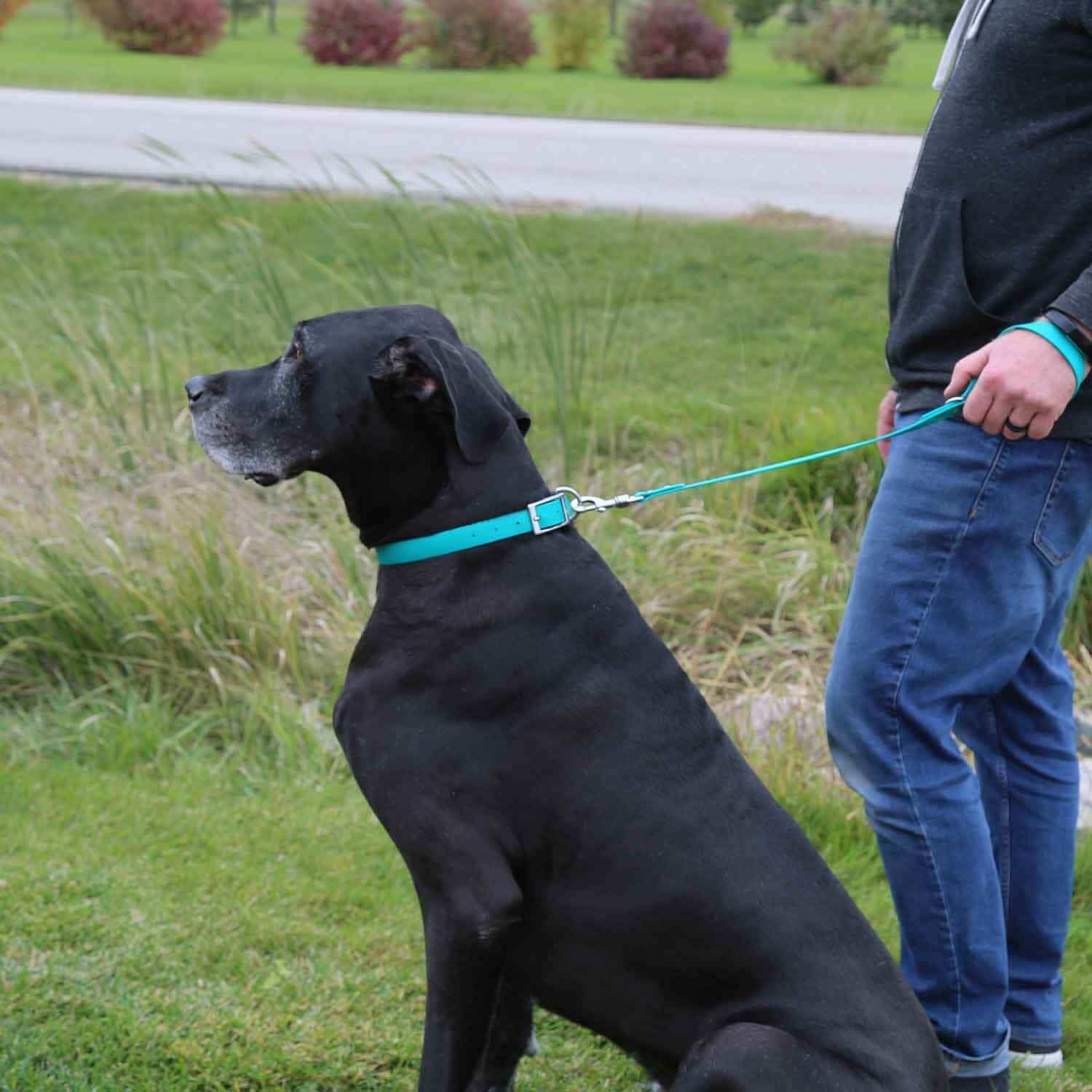
4. The Traffic Lead or Training Tab (For Those Surprise Events)
I keep a traffic lead in my car at all times for times I haven't prepared for including my dog, need them close to me and in control. You know, a last minute stop at a dog friendly store or that sporting event you decided last minute to drop in on. Traffic leads are a great way to keep your dog in heel position, especially when around crowds or unfamiliar or chaotic environments. They also stow away in a pocket or backpack super easy and compact. Training tabs are similar to traffic leads but they don't have a loop for your hand. They are also very handy but if you have a strong untrained dog to control, it's not a good idea to use them as they aren't as easy to hold onto without a hand loop.
- Best For: Unplanned and/or busy crowd situations and other environments unfamiliar to your pup.
Material Matters: BioThane, Nylon or Leather?
Your dog leash's material determines its lifespan and how often you'll use it. If you don't like how it feels in your hand, you most likely will never use it. For 2026, nylon and leather leashes are still preferred by many dog handlers and trainers. I've been making and using BioThane waterproof leashes since the 90's and don't know what I'd do without them. I still have my favorite leather leashes that I cherish and use often but only when training or when I know I'm going to stay dry. I just can't let go of my old broken-in leather leashes. They feel so good and familiar in my hands.
| Material | Pros | Cons |
|---|---|---|
| Nylon | Inexpensive, lightweight, soft, infinite colors. | Absorbs bacteria/stink, frays easily, can burn hands. |
| Leather | Classic look and feel, durable. | Requires maintenance, not waterproof. |
| BioThane | Waterproof, easy to clean, doesn't absorb odors. | Slightly higher upfront cost. |
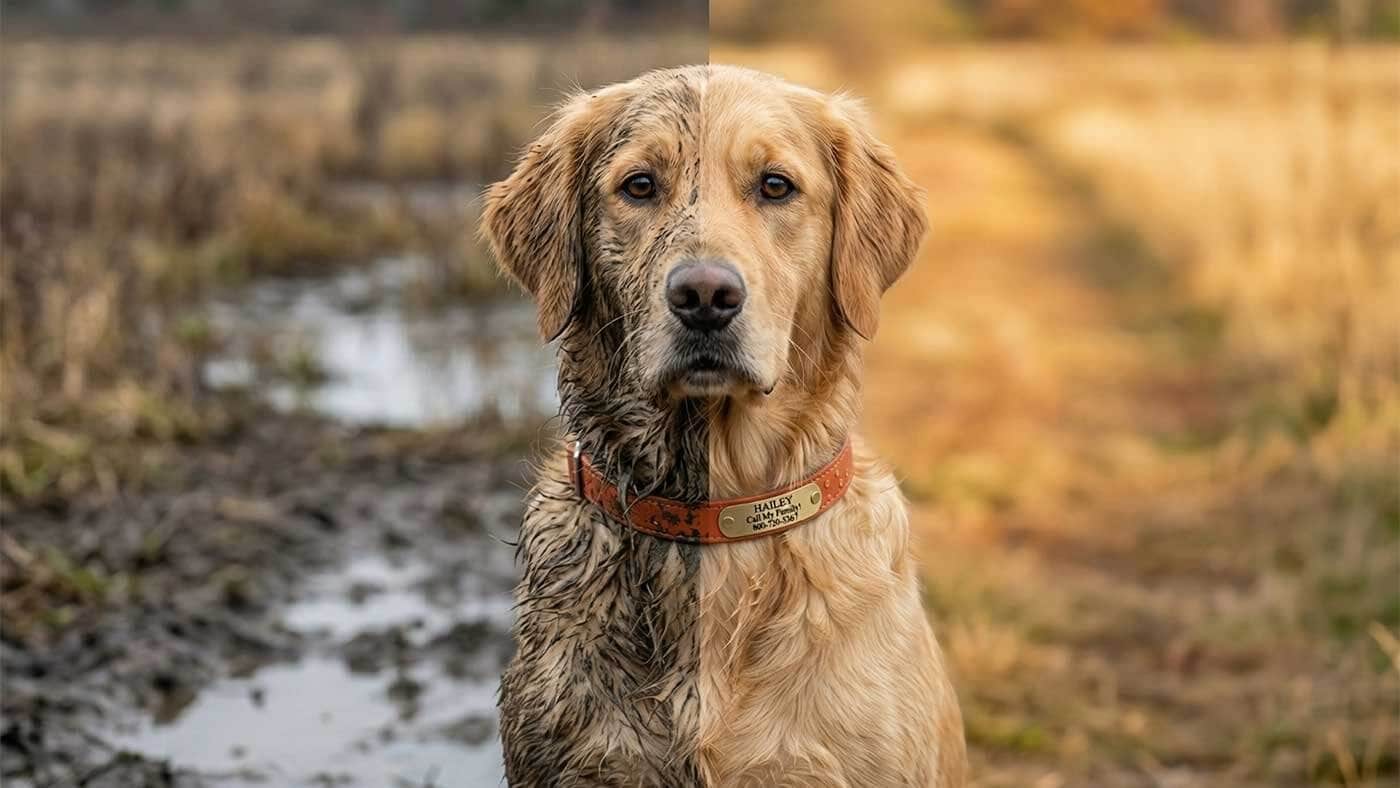
To determine which dog leash is right for you, consider your dog's weight, how you most often use leashes with your dog and your primary walking environment. If you're frequently around mud, rain, ponds, lakes or snow, a waterproof option isn't just a luxury—it's a necessity for hygiene and safety. Nylon and leather leashes can get pretty stinky if not taken care of properly.
FAQs
What dog leash material feels best in-hand?
That is mainly personal preference. However, most people agree that it's tough to beat how an older broken-in leather leash feels in the hand and they rarely cause burns or blisters.
What length leash should I get?
That depends on how you mainly want to use the leash. There are too many options to list here. However, 6 foot has been the standard length forever. Not too long and not too short—a 6 foot leash provides effective control of your dog in most situations. Hence, it is the standard recommended length. The width of a leash depends on hand size and personal preference. It's best to try or borrow a few leads of different widths and thicknesses to find what feels best to you before buying.
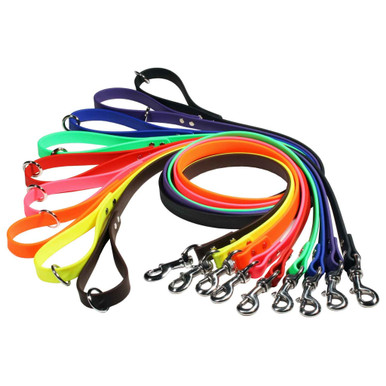
Waterproof Dog Leash
$29.00
Waterproof Dog Leash with Rubber Grip Texture Our waterproof dog leash is an excellent all-around leash. It's tough yet soft and grippy in the hand....… read more
English Bridle Leather Snap Leash

$49.00
Tradition and Class With traditional function and distinctive good looks, our English Bridle Leather Snap Leash is the pet product everyone needs. A good leather dog...… read more
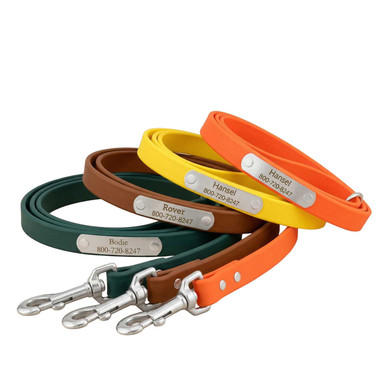
Personalized Waterproof Leash with NamePlate
$39.00
Biothane Personalized Waterproof Leash with NamePlate Only the Best for Your Best Friend Once you begin using one of our Personalized Waterproof Biothane Dog Leashes,...… read more